(650) 522-4653

Why Use Weightlifting Belts for Heavy Lifting?

Why Use Weightlifting Belts for Heavy Lifting? The question deserves more than a simple yes or no. During a heavy squat or deadlift, a lifter must create strong abdominal pressure and maintain a stable torso. A properly fitted Weightlifting Belts can support this bracing process by giving the abdominal muscles something firm to press against. Picture the moment before a heavy repetition: feet planted, ribs controlled, breath held, and the belt secured around the waist. That physical feedback can improve confidence and consistency.

It is not magic. A belt does not automatically protect the spine, correct poor technique, or make an unsafe load reasonable. Its value depends on training experience, correct fit, and disciplined lifting habits. Coaches and strength professionals commonly recommend learning proper bracing without relying on a belt for every set. This approach helps lifters understand their natural trunk control before adding equipment. Evidence also suggests belts may improve performance during high-intensity lifts, although they are not a guaranteed injury-prevention tool.

Fit matters greatly. The belt should feel firm without restricting breathing or causing sharp pressure around the ribs. Some lifters prefer a uniform-width belt, while others choose a tapered design for comfort. Personal comfort matters, but comfort alone should not determine the choice. A lifter should monitor technique, recovery, and unusual pain carefully. Even experienced athletes can misjudge fatigue. That is where reflection matters: a belt may support strong lifting, but it cannot replace patience, coaching, or sound judgment.
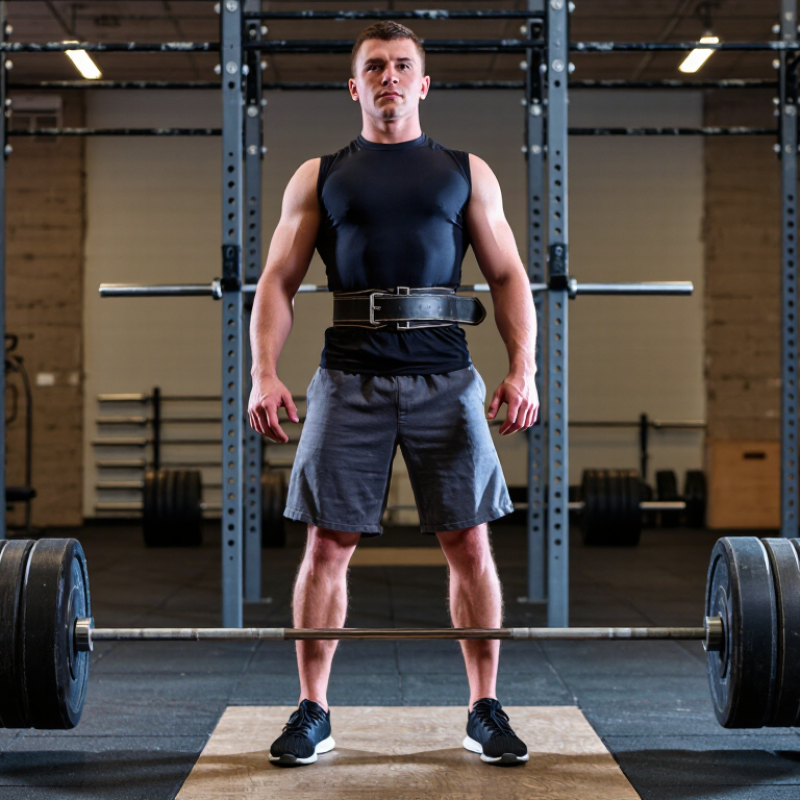
Why Use Weightlifting Belts for Heavy Lifting?

What a Weightlifting Belt Is and How It Supports the Torso

A weightlifting belt is a firm band worn around the waist during demanding lifts. It does not hold the spine in place like a cast. Instead, it gives the abdominal wall something to press against. That contact can help lifters create higher intra-abdominal pressure and maintain a stronger, more stable torso. Think of bracing before a heavy squat: the ribs stay stacked over the pelvis, the breath expands around the waist, and the trunk resists unwanted bending. The belt makes that position easier to feel.

Fit matters more than thickness. A belt should feel secure without cutting into the ribs or hips. It should allow a full breath before the lift. In practice, many lifters use one for heavy squats, deadlifts, and presses, not every warm-up set. It supports technique; it does not repair weak technique. A belt cannot replace controlled breathing, gradual loading, or competent instruction. Short-term comfort can also mislead. If the belt hides poor bracing, progress may stall when it is removed. I have found that small adjustments in tightness can change the whole lift, though this is not universal. Some athletes need more practice without it. Used thoughtfully, the belt becomes a tactile cue, not a shield against injury.

How Bracing and Intra-Abdominal Pressure Aid Heavy Lifting

Why Use Weightlifting Belts for Heavy Lifting?

Heavy lifting depends on more than strong legs and a straight back. It requires a firm trunk. Before a squat or deadlift, inhale into your abdomen, brace as if preparing for contact, and maintain pressure throughout the hardest portion. This action increases intra-abdominal pressure, which can improve spinal stiffness and reduce unwanted movement. A peer-reviewed study in Medicine & Science in Sports & Exercise reported approximately 13–15% higher intra-abdominal pressure when trained lifters used a belt. The belt did not create strength alone. It gave the abdominal wall something to press against.

In practical coaching, the belt should support bracing, not replace it. Tighten it around the midsection, then expand your abdomen in every direction. Your ribs should stay controlled, and your pelvis should remain stable. The National Strength and Conditioning Association recommends treating belts as supportive equipment within sound lifting technique, not as injury insurance. That distinction matters. A 2014 review in the Journal of Strength and Conditioning Research also noted that belts may alter lifting mechanics and muscle demands, especially during maximal efforts. The evidence is useful, but not perfect.

Some lifters brace too late. Others pull the belt painfully tight. Both mistakes deserve attention. Start with manageable loads and practice breathing under control. Heavy attempts expose weak habits quickly. A belt can improve pressure management, but it cannot correct poor positioning, limited mobility, or reckless progression. Form still wins.

Why Use Weightlifting Belts for Heavy Lifting?

How bracing and intra-abdominal pressure can support heavy lifting

Intra-abdominal pressure (IAP) rises when lifters brace the trunk, especially during heavy compound movements. Published human lifting studies report resting IAP values of only a few mmHg, while forceful bracing and the Valsalva maneuver can produce substantially higher pressures, sometimes exceeding 100 mmHg. A belt may provide a firm surface against which the abdominal muscles can brace, helping maintain trunk rigidity. The values shown are representative ranges reported across lifting conditions; actual pressure varies with technique, load, breathing, and individual physiology.

When to Use a Belt in Major Strength Exercises

Why Use Weightlifting Belts for Heavy Lifting?

When to Use a Belt in Major Strength Exercises

A weightlifting belt is most useful when a heavy set challenges your trunk stability. During squats, deadlifts, and heavy presses, it gives your abdominal wall something firm to brace against. This can help you create stronger intra-abdominal pressure and keep your spine more controlled. It does not lift the weight for you.

Use a belt for demanding working sets, not every warm-up. Many lifters begin without one, then add it when the load reaches roughly 80–85% of their maximum. This range is only a guide. Your technique, training history, and daily condition matter more than a fixed number. A snug fit should support your brace without restricting normal breathing. Practice breathing into your sides and back, not only your stomach.

A belt cannot repair poor positioning. Stop if you lose balance, feel sharp pain, or cannot maintain pressure. Some athletes wear one too early and become dependent on it. That is worth questioning. Your unbelted trunk still needs strength. A qualified coach can check your setup, belt placement, and breathing pattern, especially if you have a medical condition. Even experienced lifters misjudge fatigue. Use the belt as a tool for controlled heavy work, not as permission to force another repetition.

Benefits and Limitations of Weightlifting Belt Training

Why Use Weightlifting Belts for Heavy Lifting?

A weightlifting belt can improve bracing during heavy squats, deadlifts, and presses. It gives your abdominal wall something firm to push against. This pressure may help you keep a stable torso when the bar feels unusually heavy. Some lifters also report greater confidence under near-maximal loads. That confidence matters, but it is not proof of better technique. A belt cannot correct poor positioning, weak legs, or rushed repetitions. It also does not replace breathing practice or gradual strength development.

The limitations deserve equal attention. Wearing a belt too early may make some lifters depend on external support. It can feel restrictive around the ribs and may encourage excessive arching. Beginners should first learn to brace without equipment. Experienced lifters may reserve the belt for heavy working sets, testing days, or demanding volume. Fit matters too. A belt should feel secure, not painfully tight, and it should allow controlled breathing between repetitions. Evidence supports belts as useful performance tools, not automatic injury protection. Individual response still varies.

Tips: Practice bracing with lighter weights first. Take a deep breath, expand your abdomen, and tighten your trunk before lifting. Keep the load modest while learning. Record one set from the side. Review your spinal position and bar path. If the belt causes pain, numbness, or unusual pressure, stop and seek qualified medical advice. I still think belts can help, but I would not treat them as essential equipment for every session.

How to Choose, Wear, and Maintain a Weightlifting Belt

Why Use Weightlifting Belts for Heavy Lifting?

A weightlifting belt can increase trunk support during heavy squats, deadlifts, and presses. It does not replace bracing, mobility, or coaching. A controlled study in the Journal of Strength and Conditioning Research found that belts increased intra-abdominal pressure during heavy lifting, helping lifters create a firmer torso. The evidence remains limited, however. Better pressure does not automatically mean fewer injuries.

Choose a belt that matches your training and body shape. A 10–13 millimetre thickness offers strong support, while a 10-centimetre width gives consistent contact around the torso. Prong belts allow small adjustments. Lever systems feel faster, but they need careful fitting. Place the belt above your hip bones, not across them. Tighten it firmly, leaving room for one or two fingers. Take a deep breath, brace outward, and lift with controlled speed. I sometimes tighten mine too early, which makes breathing awkward. That mistake is worth noticing.

Wear the belt mainly for demanding sets, not every warm-up. Data from the National Strength and Conditioning Association supports progressive loading and technique-focused resistance training, rather than dependence on equipment. After training, wipe sweat from the belt and let it dry away from direct heat. Inspect stitching, rivets, and buckle movement each week. Replace it when cracks, stretching, or loose hardware appear. A belt should support your brace, not hide a weak one.

Why Use Weightlifting Belts for Heavy Lifting? - How to Choose, Wear, and Maintain a Weightlifting Belt

General equipment guidance for recreational and strength-training use. Individual comfort, technique, and medical advice should take priority.
Data Dimension Typical Guidance or Measurement Why It Matters Practical Recommendation
Primary purpose Increases abdominal pressure and provides external feedback around the torso May help lifters brace more effectively during heavy compound movements Use the belt as a bracing aid, not as a substitute for sound lifting technique
Best exercise applications Squats, deadlifts, presses, and other movements involving substantial trunk bracing These exercises commonly place high demands on torso stability Consider wearing it mainly for heavier working sets rather than every warm-up set
Common belt widths Approximately 10 cm (4 in) for powerlifting-style use; narrower front sections are common on some general-purpose belts Width affects torso coverage, comfort, and freedom of movement Choose a width that supports your trunk without digging into the ribs or hips
Common thicknesses About 6 mm, 10 mm, and 13 mm are commonly available Thicker belts are generally stiffer, while thinner belts usually break in more quickly Beginners often prefer a moderately firm belt that allows comfortable breathing and movement
Material options Leather, nylon, and synthetic webbing are common materials Material influences stiffness, flexibility, moisture resistance, and break-in time Select leather for a rigid feel or nylon for lighter weight and greater flexibility
Fastening systems Prong, lever, and hook-and-loop closures are widely used The closure affects adjustability, setup speed, and how securely the belt stays in place Choose a system that can be tightened securely without restricting normal breathing
How to measure Measure around the area where the belt will sit, using a flexible tape measure Waist size on clothing labels may not match the correct lifting-belt measurement Use the manufacturer’s size chart and keep the tape snug without compressing the abdomen
Correct positioning Usually worn around the trunk, commonly near the navel or slightly higher or lower according to the exercise Position changes hip movement, rib comfort, and the ability to brace Test the position with an unloaded movement before lifting heavily
Tightness check Firm contact is appropriate; the belt should not cause sharp pain, numbness, or impaired breathing Excessive tightness can interfere with comfort and movement quality Brace against the belt while keeping controlled nasal or normal breathing between repetitions
Warm-up use Often unnecessary for light warm-up sets Warm-ups help develop movement skill and prepare the body without relying on maximum external support Warm up progressively and introduce the belt when load or effort becomes substantial
Cleaning routine Wipe sweat away after use and allow the belt to dry fully before storage Moisture and trapped sweat can contribute to odor, material deterioration, or corrosion of hardware Use a damp cloth for most surfaces; follow the care instructions for leather or synthetic materials
Storage conditions Cool, dry, ventilated location away from direct heat and prolonged sunlight Heat and humidity may accelerate cracking, stretching, odor, or hardware damage Store the belt flat or loosely rolled without placing heavy objects on top of it
Replacement indicators Deep cracks, torn stitching, bent hardware, stretched holes, or a closure that no longer holds Structural damage can reduce stability and increase the risk of belt failure during a set Stop using a visibly damaged belt and replace it before heavy training

Contact Us

Phone: (650) - 522-4653 (GOLF)

Fax: (650) 522-7511

Tee Time Reservations: (650) 522-4653 (GOLF)

Location

1700 Coyote Point Drive

San Mateo, CA 94401