(650) 522-4653

How to Choose the Best Electric Vehicle for Your Needs?

Choosing the right Electric Vehicle (EV) can be overwhelming. With numerous options available, making an informed decision is crucial. Understanding your needs is the first step. Consider your daily commute, family size, and budget. Will you travel long distances, or is city driving your primary concern?

The market is evolving, with new models introduced regularly. Each Electric Vehicle comes with unique features. Battery range, charging time, and technology integration are key factors. Some EVs offer advanced driver-assistance systems while others focus on efficiency and price. Remember, not every model will align perfectly with your preferences.

Additionally, think about the environmental impact. An EV is often a step towards sustainability. Yet, not all electric cars are equally green. Research the production methods and materials used. Being an informed buyer means looking beyond the hype. Choosing an Electric Vehicle is not just about the brand; it’s about finding the right fit for your lifestyle.
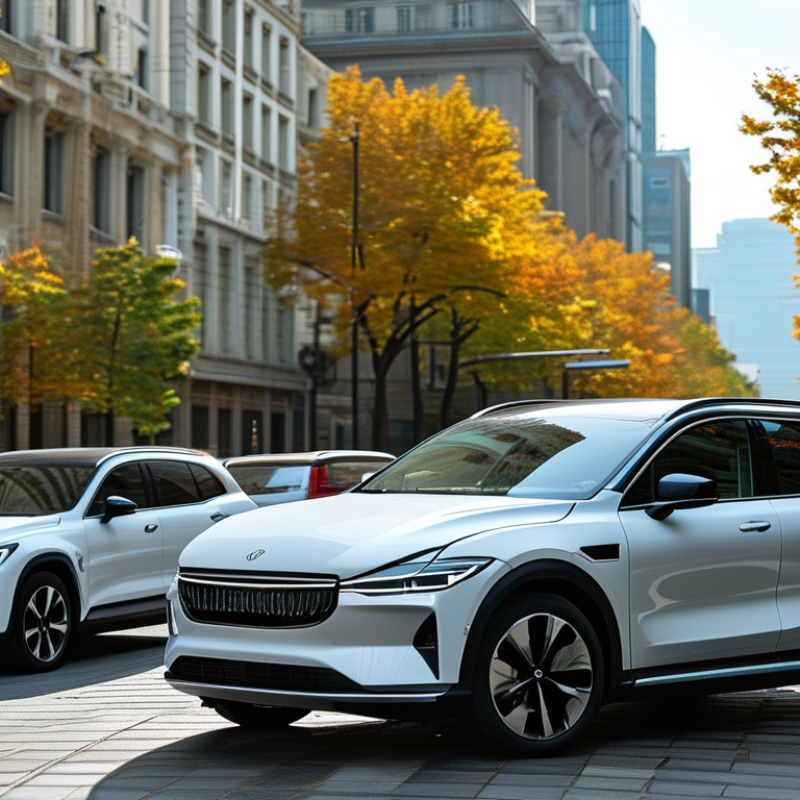
How to Choose the Best Electric Vehicle for Your Needs?

Understanding Your Driving Habits and Range Requirements

When choosing an electric vehicle, understanding your driving habits is essential. Start by evaluating your daily commute. How far do you drive each day? If your route averages 20 miles, a vehicle with a range of 100 miles might suffice. However, consider if you plan to take longer trips occasionally. If so, a model with a longer range can provide peace of mind.

Next, think about your charging options. Do you have access to charging at home or work? Having a home charger may allow you to choose a vehicle with a smaller battery. Alternatively, if charging stations are rare in your area, a car with a larger range will minimize range anxiety.

Don’t forget about other factors. Weather can impact battery performance. Cold temperatures can reduce range significantly. Your driving style also plays a role; aggressive driving can drain the battery faster. Reflect on these details to make a more informed decision.

Evaluating Electric Vehicle Types: Sedans, SUVs, and More

Choosing the right electric vehicle (EV) can be challenging. Understanding the different types is crucial. Sedans are popular for their efficiency. They often offer a longer range, making them suitable for daily commutes. According to data from the International Energy Agency, sedans typically have a range of 250 to 370 miles per charge.

SUVs have gained traction in the market. They provide more space and versatility. Many families prefer SUVs for their roominess. However, they may sacrifice some range due to their size. Reports indicate that most electric SUVs average around 230 to 320 miles per charge. This difference can impact your choice depending on your lifestyle needs.

Tips: Always assess your driving habits. If you have a long commute, choose a vehicle with a robust range. Consider test-driving multiple types. Each vehicle feels different, and you may prefer one’s comfort over another’s features. Lastly, don't overlook the charging infrastructure in your area. Accessibility plays a vital role in daily usability and convenience.

Analyzing Charging Options and Battery Life for Convenience

When choosing an electric vehicle (EV), understanding charging options and battery life is crucial. Different charging methods are available, and each has its pros and cons.

Home charging is convenient for daily use. It allows drivers to plug in overnight. However, not all homes have easy access to outlets. Public charging stations can fill this gap, yet their availability varies by location. You'll want to ensure that there are plenty of charging points near your daily commute or frequent stops.

Battery life plays a significant role in an EV's practicality. Most electric vehicles can last between 150 and 300 miles on a full charge. This range may fluctuate based on driving habits and terrain. Additionally, battery degradation over time is a consideration that should not be overlooked.

It’s important to consider how far you typically drive in a day. If you often embark on long journeys, a vehicle with a longer range is essential. A balance between battery capacity and your driving needs ensures a seamless experience.

Comparing Cost of Ownership and Incentives for Electric Vehicles

When choosing the best electric vehicle, the cost of ownership is crucial. This includes initial purchase price, insurance, and maintenance costs. Electric vehicles generally have lower maintenance costs than traditional cars. They have fewer moving parts, which can lead to fewer repairs. However, early costs might be higher, leading many to hesitate.


Incentives can significantly impact the overall cost of ownership. Governments often provide tax credits or rebates for purchasing electric vehicles. These incentives vary by location and can effectively lower the initial price. Additionally, some regions offer discounts on registration fees. These savings can make a significant difference in your financial planning.


Charging infrastructure and energy costs are also important. Some people overlook the cost of home charging equipment. Monthly energy bills can rise, depending on usage. Public charging stations may charge fees, which vary widely. Understanding these factors will help you make a more informed decision. Consider your driving habits and local incentives. Evaluate if these factors align with your financial goals and lifestyle.

Researching Safety Ratings and Reliability of Electric Vehicle Models

When choosing an electric vehicle (EV), safety ratings and reliability are crucial factors. Not all models have the same track record. The National Highway Traffic Safety Administration (NHTSA) and the Insurance Institute for Highway Safety (IIHS) provide valuable insights. Their ratings help in understanding how well a vehicle performs in crash tests. This data is vital for ensuring your safety on the road.

Tips: Check multiple sources before settling on an EV. Read up on crash test results and reliability reports. Consider user reviews too. Owners often share real-world experiences that can highlight potential issues. Don’t ignore common problems that might arise in the vehicles you’re considering.

Reliability should not be overlooked. Many new technologies can sometimes lead to unexpected breakdowns. Some EVs have fewer repair needs, while others might struggle. Investigate the long-term reliability ratings from trusted sources. You want a vehicle that won’t leave you stranded or facing costly repairs.

Tips: Look for models with warranties that cover battery life and major components. A longer warranty often indicates a manufacturer's confidence in their product. Talk to current users about their experiences, and gather as much information as possible to make an informed choice.

How to Choose the Best Electric Vehicle for Your Needs?

Model Safety Rating (NHTSA) Reliability Score (Consumer Reports) Range (miles) Charging Time (hours)
Model A 5 Star 80/100 300 8
Model B 4 Star 85/100 250 6
Model C 5 Star 90/100 350 7
Model D 4 Star 75/100 200 9

Contact Us

Phone: (650) - 522-4653 (GOLF)

Fax: (650) 522-7511

Tee Time Reservations: (650) 522-4653 (GOLF)

Location

1700 Coyote Point Drive

San Mateo, CA 94401