(650) 522-4653

How to Choose the Best Cargo Bike Supplier in 2026?

Choosing the right Cargo Bike supplier in 2026 means looking beyond a polished catalogue. A supplier should explain how its bikes perform with real loads, on real routes, through changing weather. Ask to see battery specifications, frame materials, payload limits, warranty terms, and a clear parts list. Then ask how quickly common items—brake pads, tires, and replacement batteries—can reach your workshop. Small details matter.

Cargo-bike procurement specialist Maya Chen captures the key test: “A supplier earns trust when the bike works on your route, not only in the brochure.” Use that idea to shape your comparison. Request a demonstration with the kind of cargo you actually carry, whether that means grocery crates, tools, or a child seat. Check how the bike handles a tight turn, a steep ramp, and a full stop. Listen for specific answers, not broad promises. And read the service terms carefully.

Price still matters. So does support after delivery. Compare training, repair access, spare-parts availability, and the supplier’s response time. A low purchase price can look less attractive when a bike sits idle for days. Not every buyer needs the same setup, and a test ride cannot predict every maintenance issue. That uncertainty deserves attention. This guide will help you assess suppliers, compare practical specifications, and spot gaps before placing an order. The best choice is not automatically the biggest brand; it is the partner whose claims you can verify and whose support fits your daily work.
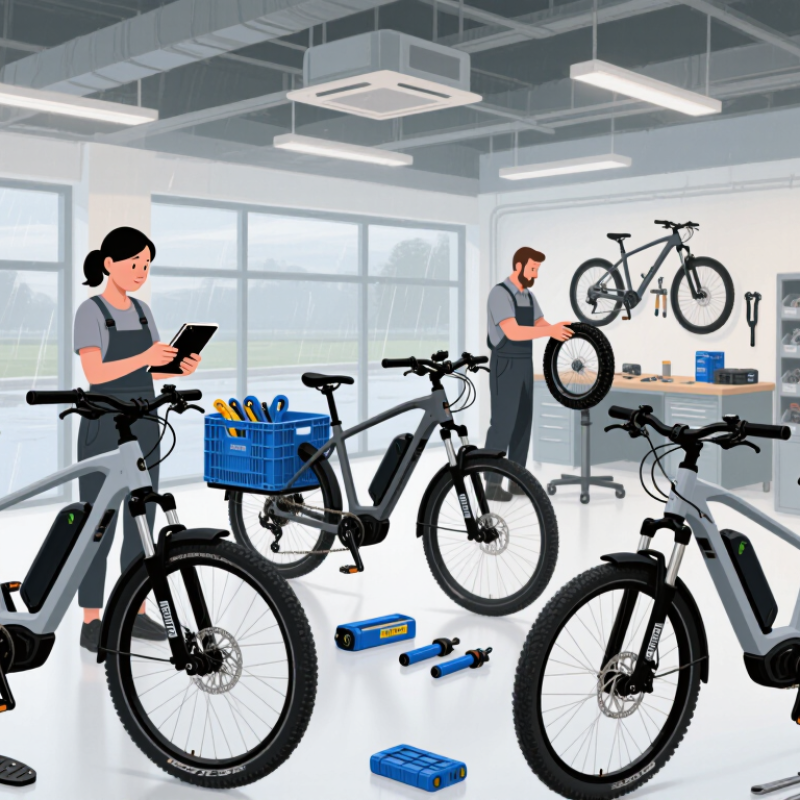
How to Choose the Best Cargo Bike Supplier in 2026?

Define Your Cargo Bike Requirements and Intended Use

Before comparing cargo bike suppliers, define the work the bike must do. Will it carry groceries, tools, parcels, or a child? Record the usual load, the heaviest occasional load, and how many trips you expect each day. A bike that carries two light bags may struggle with a dense delivery crate. Be specific.

Describe the route, too. Note steep hills, rough pavement, narrow gates, and where the bike will be stored. Measure doorways and parking spaces rather than guessing. Then consider distance, weather exposure, and charging access if you are considering electric assistance. These details affect frame style, cargo capacity, braking needs, and battery range. Short trips can still involve steep climbs.

Turn those observations into requirements you can discuss with suppliers: payload capacity, cargo dimensions, wheel and frame options, service access, and replacement-part availability. Ask how the stated capacity was tested and whether it includes the rider. Request a test ride with a realistic load, not an empty bike around a smooth showroom floor. That difference matters. A checklist may feel overly fussy, and early estimates are often wrong. Revise them after measuring your route or testing a loaded bike.

Assess Supplier Experience, Product Range, and Customization Options

When choosing a cargo bike supplier in 2026, look beyond the number of years it has operated. Ask what kinds of riders and loads its team has supported, and request examples of comparable models. A supplier familiar with daily delivery use may understand practical details such as easy-to-reach controls, stable low-speed handling, and parts that can be replaced without special tools. Ask how it tests frames, brakes, and maximum-load performance. Specific records are more useful than broad promises. Numbers matter.

Review the product range for meaningful choices, not just many listings. Compare frame sizes, cargo-box or platform layouts, motor and battery options, braking systems, and accessory compatibility. Check whether common wear parts are available and how long replacements typically take. A broad range can help, but too many configurations may make servicing harder. That trade-off deserves attention.

Customization should begin with a clear use case: typical cargo weight, route length, parking space, and rider needs. Ask whether the supplier can adjust cargo dimensions, seating, colors, or mounting points, and whether changes affect handling or warranty coverage. Request a drawing, written specifications, and a realistic lead time before approving a custom build. Small changes can add complexity. A supplier that explains limitations plainly is often more dependable than one that agrees to everything.

Compare Safety Standards, Components, and Quality Controls

How to Choose the Best Cargo Bike Supplier in 2026?
Compare Safety Standards, Components, and Quality Controls

A dependable cargo bike supplier should explain which safety standards apply to your market and provide current test documents. Check that the frame’s stated load limit matches your intended use, including rider, cargo, and accessories. Ask how brakes perform under load, and inspect welds, steering joints, tires, and fasteners. Small details matter. Paperwork can look tidy while a component performs poorly, so verify that test reports identify the exact model and configuration you plan to buy.

Tips: Ask for component specifications, inspection records, and traceability details. Look for documented checks at incoming parts, assembly, and final testing. Ask how defects are recorded and addressed. A clear answer is useful; a vague promise is not.

Quality controls should be consistent, not just demonstrated on a sample bike. Ask whether production units receive brake, lighting, and steering checks, and how often suppliers audit those results. If the bike uses an electric assist system, request clear battery and charger specifications, plus handling and care instructions. Compare suppliers on evidence, not confident sales language. No checklist catches every issue, and that is worth remembering. A practical next step is to review documents, then inspect a finished bike in person before committing to a large order.

How to Choose the Best Cargo Bike Supplier in 2026? - Compare Safety Standards, Components, and Quality Controls

Evaluation Area What to Verify Useful Evidence to Request Warning Signs
Cargo-cycle safety standard Ask which current cargo-cycle standard applies to the exact model and intended market. The EN 17860 series covers safety requirements and test methods for carrier cycles, with applicable parts depending on cycle type and configuration. Test reports identifying the model, configuration, standard edition, test laboratory, and test results. Confirm that the tested version matches the bike being offered. A generic “compliant” claim with no standard number, report, model identification, or explanation of scope.
Electric-assist compliance For an EPAC intended for the EU, check whether its electrical assistance meets the applicable requirements of EN 15194. A standard EPAC category generally has a maximum continuous rated motor power of 250 W, assistance that reduces and cuts off by 25 km/h, and assistance linked to pedalling, subject to applicable exceptions such as walk assistance. Declaration of conformity and supporting technical documentation for the exact electrical configuration. Check the intended country’s rules, as e-bike classifications differ by market. Conflicting motor, speed, or assistance specifications, or a claim that one configuration is automatically legal in every country.
Battery and electrical-system safety Review the battery, charger, wiring, protection circuitry, and system integration. UL 2849 addresses e-bike electrical systems, while UL 2271 addresses batteries for light electric vehicle applications; applicability and legal requirements depend on the market. Relevant test or certification records, battery specifications, charger compatibility information, serial-number traceability, and written procedures for handling battery faults and recalls. Unidentified battery cells, incompatible chargers, missing traceability, or treating a component certificate as proof that the complete bike has been assessed.
Braking system Assess stopping performance for the bike’s intended maximum load, wheel arrangement, and use. Check brake type, lever reach, cable or hydraulic-line routing, adjustment access, and wear-part availability. Applicable standard test results, service instructions, brake-component specifications, and evidence that the tested bike carried the relevant configuration and load. Braking claims based only on unloaded tests, poorly routed lines, or no clear maintenance and replacement guidance.
Frame, fork, and steering Check that the frame, fork, steering linkage, kickstand, and cargo structure are designed for the stated use and load. For long-tail or multi-track designs, inspect stability and steering behavior with representative cargo. Design validation records, fatigue or durability test summaries, production drawings under revision control, and inspection records for welds or other critical joints. Unexplained design changes, visible damage or inconsistent welds, or no supporting durability evidence for the intended duty cycle.
Payload and gross weight Confirm the maximum permitted rider, cargo, and total system weight. Distinguish cargo capacity from the bike’s maximum permitted gross weight, and check any separate limits for seats, racks, boxes, or individual loading positions. A model-specific load chart, user manual, load distribution guidance, and test documentation showing how the limits are defined. One large payload figure with no definition, no rider-weight allowance, or no instructions for distributing cargo.
Wheels, tyres, and load-bearing parts Check wheel and tyre specifications against the intended load and road conditions. Verify rim, spoke, hub, axle, and tyre ratings where supplied, along with replacement-part availability. Component specifications, wheel-build inspection criteria, approved tyre sizes and load ratings, and spare-parts lead times. Unspecified tyre or wheel ratings, no replacement guidance, or substitutions that have not been assessed for the bike’s load and use.
Production quality controls Look for documented controls from incoming-material inspection through assembly and final release. Critical checks can include fastener torque, brake adjustment, electrical function, and frame or component identification. Quality-control plan, sample inspection records, measurement-equipment calibration records, non-conformance process, and model or batch traceability. Only visual checks, undocumented torque practices, no lot records, or no process for containing and correcting defects.
Water and environmental protection Ask what level of protection is provided for the battery, connectors, display, and control components. Clarify permitted operating and cleaning conditions; an ingress-protection rating applies only to the tested component and conditions stated. Component-level test reports, care instructions, connector specifications, and guidance for wet-weather operation and cleaning. Broad “waterproof” claims without a defined rating, test scope, or limitations.
Service, warranty, and parts Evaluate warranty terms, service training, diagnostic support, and access to safety-critical parts such as brakes, batteries, wheels, and steering components. Written warranty conditions, parts catalogue, service manuals, response targets, and a clear process for safety notices or recalls. Unclear warranty exclusions, no repair documentation, or dependence on unavailable proprietary parts for routine repairs.
Supplier decision Compare suppliers using the same model configuration, intended market, loading assumptions, and evidence checklist. Prioritize verifiable safety documentation, consistent production controls, and sustainable service support. A completed comparison matrix with document references, open questions, sample-inspection findings, and named responsibility for resolving gaps. Selecting on price or specification sheets alone before verifying the actual product, records, and support arrangements.

Note: Standards, certification schemes, and legal requirements vary by country and product category. Treat the items above as a supplier due-diligence checklist, and confirm applicable requirements with the relevant authorities or qualified conformity-assessment professionals for the target market.

Evaluate Pricing, Warranty Coverage, and After-Sales Support

Choosing a cargo-bike supplier starts with a quote you can actually compare. Ask for a written breakdown covering the bike, battery, delivery, assembly, and any required accessories. Check what is included. A low headline price may leave out a suitable child seat or delivery to your location. Compare equivalent configurations, not just the totals, and ask the supplier to explain any unclear charge.

Warranty coverage deserves the same close attention. Read the written terms for the frame, motor, battery, and other electrical parts; coverage periods may differ. Ask what counts as normal wear and which issues are excluded. Who pays for shipping or inspection? Get the answer in writing. A generous-sounding warranty is less useful if the claim process is vague or replacement parts are difficult to obtain. I can still overvalue a polished warranty document, so I look for clear steps and named contact channels.

After-sales support matters when a brake needs adjustment or a battery warning appears. Ask how quickly support usually responds, where repairs can be arranged, and whether common parts are kept in stock. Try sending one specific question before buying, such as how to adjust the rear brake. Notice whether the reply is practical and easy to follow. One quick answer cannot prove long-term service quality, but silence or a vague response is worth considering.

Verify Supplier Credentials and Select the Best-Fit Partner

A strong cargo bike supplier should provide verifiable records, not just polished product photos. Check the company’s registration, factory address, production capacity, and quality-control process. Request a current quality-management certificate and confirm that its scope covers the products being quoted. Paperwork matters.

Ask for test reports against relevant EN 17860 carrier-cycle requirements, plus clear details on brakes, frame load limits, battery performance, and warranty exclusions. Compare the quoted specifications with a sample bike: inspect welds, cable routing, fasteners, and how easily common parts can be replaced. Small details reveal a lot. Ask for documented defect rates and typical spare-parts lead times, too.

Operational evidence can help set realistic expectations. A 2021 University of Westminster and Possible report examined nearly 98,000 London deliveries and found cargo bikes produced 90% less carbon dioxide than diesel vans, and 33% less than electric vans. These results describe a specific delivery context, not every fleet. Match a supplier’s claims to your own routes, payloads, and maintenance capacity. I would also speak with two current customers, ideally one operating in wet or cold conditions. Their feedback may be imperfect, but recurring repair delays are hard to miss. A good-fit partner answers technical questions directly and explains where its data has limits.

How to Choose the Best Cargo Bike Supplier in 2026?

Verify supplier credentials and compare each candidate against the same practical criteria.

Suggested evaluation weights—not an industry survey. Check product safety documentation, quality processes, warranty terms, service coverage, production capacity, spare-parts availability, and references. Adjust the weights to fit your market and operational needs.

Article Source:

Contact Us

Phone: (650) - 522-4653 (GOLF)

Fax: (650) 522-7511

Tee Time Reservations: (650) 522-4653 (GOLF)

Location

1700 Coyote Point Drive

San Mateo, CA 94401