How to Choose the Best Private Label Footwear Supplier?
Choosing the right Private Label Footwear Supplier can significantly impact business success. According to a report by Statista, the global footwear market is projected to reach over $400 billion by 2027. This growth trend highlights the increasing competition among brands, making supplier selection crucial.
Quality and reliability are key factors when considering suppliers. A study from IBISWorld indicates that 25% of consumers prioritize brand reputation when purchasing footwear. This underscores the importance of choosing a Private Label Footwear Supplier that maintains high standards. However, not every supplier guarantees the best materials or ethical practices. Businesses must vigilantly evaluate potential partners to avoid pitfalls.
A supplier’s experience in the industry can be a double-edged sword. While established suppliers may offer extensive networks, newer companies could provide innovative solutions. Each option has its pros and cons, necessitating thorough research. Striking a balance between cost, quality, and supplier reputation is essential for growing a successful footwear brand.
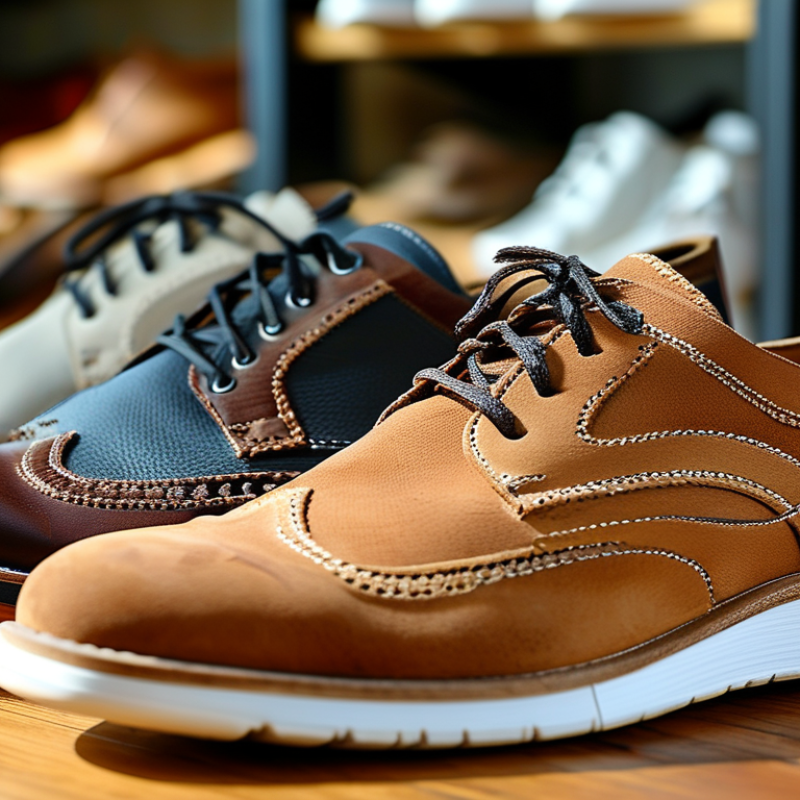
Understanding Your Footwear Business Needs
Understanding your footwear business needs is crucial before selecting a private label supplier. Identify your target market. Are you focusing on casual, athletic, or luxury footwear? This choice influences materials, design, and production methods. Defining your niche helps you connect with the right supplier.
Next, consider your production volume. Larger suppliers offer economies of scale, while smaller ones might provide more personalized service. Analyze your budget. Are you ready to invest in high-quality materials or prefer cost-effective options? Sometimes, cutting costs can impact quality. Don’t overlook potential communication barriers. Language differences can lead to misunderstandings.
Lastly, think about the supplier's expertise. Do they have experience in your specific footwear type? Research their previous work. Customer reviews can provide insights into their reliability. Reflect on your requirements and assess the supplier's capabilities carefully. This approach leads to a more fruitful partnership.

Evaluating Supplier Experience and Reputation
When choosing a private label footwear supplier, evaluating their experience is crucial. An experienced supplier understands market trends and consumer preferences. They have usually developed robust production processes. This can lead to better quality products. Look for suppliers with years in the industry. Their track record often translates into reliability and trust.
Reputation matters too. Search for reviews and testimonials. Look for consistent feedback regarding product quality and service. A supplier with a solid reputation is likely to have established relationships with material providers. This can enhance your product’s overall quality. However, don’t solely rely on online reviews. Reach out to past clients for personal experiences. Understanding both positive and negative aspects can provide valuable insights.
It’s important to reflect on your priorities. Some suppliers may excel in speed but lack quality. Others might produce excellent footwear but have longer lead times. Decide what is most important for your brand. Balancing speed, quality, and cost can be tricky. The right supplier should align with your business goals while offering flexibility and support.
How to Choose the Best Private Label Footwear Supplier?
| Criteria | Evaluation Metrics | Supplier A | Supplier B | Supplier C |
|---|---|---|---|---|
| Years in Business | 10 years | 15 years | 8 years | |
| Product Range | Wide | Medium | Narrow | |
| Minimum Order Quantity | 100 pairs | 200 pairs | 150 pairs | |
| Lead Time | 4 weeks | 6 weeks | 5 weeks | |
| Customer Reviews | 4.5/5 | 4.0/5 | 4.2/5 | |
| Certifications | ISO 9001, CE | ISO 9001 | None |
Analyzing Product Quality and Material Options
When analyzing footwear suppliers, focus on product quality first. Materials define the comfort and durability of shoes. High-quality materials can significantly impact customer satisfaction. Look for suppliers offering a range of options. Leather, synthetic blends, and eco-friendly materials can cater to diverse market demands. Always ask for samples. This allows you to evaluate the feel and finish of their products.
Consider the craftsmanship as well. Poor stitching or cheap components can lead to quick deterioration. It's essential to inspect each piece closely. While many suppliers may promise quality, the reality can differ. Transparency in sourcing materials is vital. A supplier willing to share their processes demonstrates reliability.
Quality control measures are sometimes overlooked. Suppliers should have clear protocols in place. Regular inspections and testing ensure product consistency. While some suppliers might boast impressive certifications, verifying their claims is crucial. Establish a rapport with your supplier to discuss these concerns openly. This can lead to a more productive relationship.
Assessing Pricing and Minimum Order Requirements
Choosing the right private label footwear supplier involves careful consideration of pricing and minimum order requirements. These factors can significantly impact your overall business strategy. Start by analyzing potential suppliers' pricing structures. Some may offer attractive low prices, but hidden costs can arise. Consider shipping fees, customs duties, and additional charges. These extras can inflate your expenses. Look for suppliers that are transparent about their pricing.
Minimum order requirements can also vary widely among suppliers. Some may require a large initial investment, making it tough for small businesses. Can you afford to stock that many items? Think about your sales projections. A supplier with a lower minimum order could provide more flexibility. Yet, lower quantities might lead to higher unit costs. This trade-off is crucial, especially for new brands.
When assessing potential partners, prioritize communication. Reliable suppliers should respond quickly and clearly. If responses are slow or vague, it may indicate future issues. Establishing a strong partnership is essential. Take time to evaluate multiple options. Balance pricing with the quality and dependability of the supplier. It’s a journey that demands patience and keen judgment.
Reviewing Shipping, Delivery, and Customer Support Services
When selecting a private label footwear supplier, shipping and delivery are crucial. According to a recent industry report, 58% of customers consider delivery speed a top factor in their purchasing decision. Therefore, suppliers with efficient shipping methods can enhance customer satisfaction significantly. Look for suppliers offering multiple shipping options. This flexibility can be a game-changer for your business.
Customer support is another vital factor. A study by the International Council of Shopping Centers noted that 70% of consumers are frustrated when they cannot reach customer service easily. Check if your potential supplier provides 24/7 support and multiple contact methods. Prompt resolution of issues reflects a supplier’s commitment to service excellence.
It’s important to reflect on these elements carefully. A supplier may promise fast shipping, but failure to deliver consistently is a risk. Research reviews and testimonials from other businesses. Pay attention to both positive feedback and complaints. Balancing shipping reliability with robust customer support can lead to a better overall partnership.
Article Source:
Contact Us
Phone: (650) - 522-4653 (GOLF)
Fax: (650) 522-7511
Tee Time Reservations: (650) 522-4653 (GOLF)
Location
1700 Coyote Point Drive
San Mateo, CA 94401