(650) 522-4653

China Top 10 Clothing Donation Drop Off Bin Suppliers

China’s clothing donation industry serves charities, communities, property managers, and recycling organizations worldwide. A well-designed Clothing Donation Drop Off Bin can make textile collection cleaner, safer, and easier to manage.

This introduction presents ten notable Chinese suppliers for buyers comparing donation bins. The review considers manufacturing experience, steel quality, weather resistance, surface coating, lock design, and customization options. It also examines production capacity, export experience, packaging, after-sales communication, and documentation. These details matter when a bin stands outdoors beside a supermarket or residential entrance.

Practical performance deserves attention. A strong bin should resist rain, repeated use, and rough handling. Smooth edges help protect users and collection staff. Clear labels can reduce contamination from unsuitable materials. Some suppliers offer logos, color matching, internal liners, collection doors, and reinforced bases. Buyers should confirm dimensions before ordering. A narrow doorway can make a large unit surprisingly difficult to install.

Supplier claims require careful checking. Product photos may look excellent, yet weld quality and drainage design remain difficult to judge remotely. Requesting samples, factory videos, inspection records, and references can reduce uncertainty. Certifications should be relevant and verifiable, not merely listed in marketing materials. Delivery schedules, minimum order quantities, spare parts, and warranty terms also deserve written confirmation.

No supplier is perfect. A lower price may hide thinner steel, weaker locks, or limited support. This guide therefore focuses on balanced evaluation rather than promotional rankings. The final selection should match the collection location, climate, expected volume, and responsible textile-handling plan. Good equipment helps, but thoughtful placement and regular servicing matter just as much.
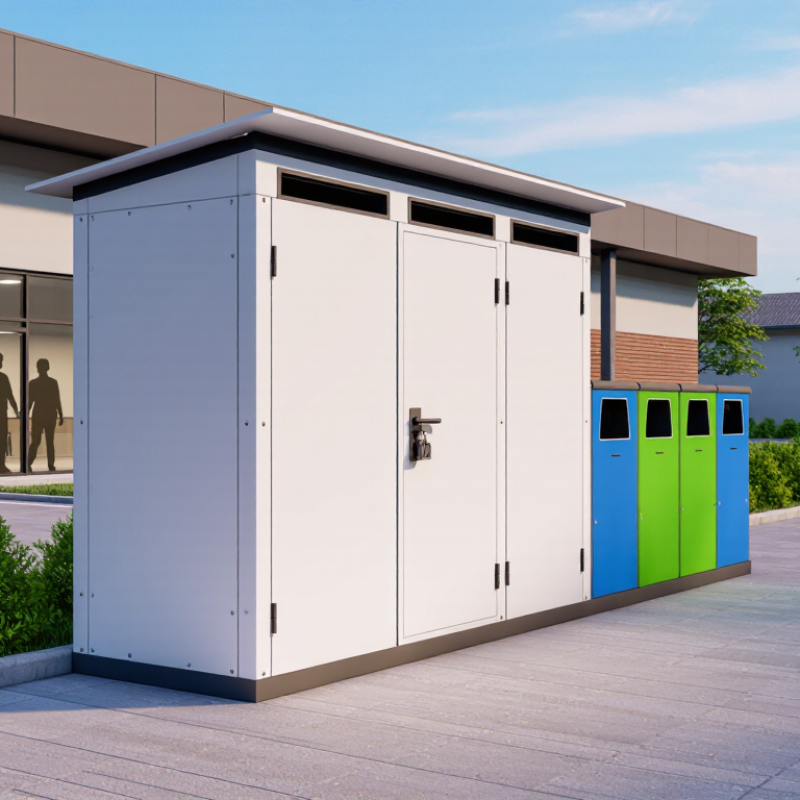
China Top 10 Clothing Donation Drop Off Bin Suppliers

What Clothing Donation Drop-Off Bin Suppliers Provide

Clothing donation drop-off bin suppliers provide more than metal containers. They design bins for clear public use, with wide openings and simple donation instructions. Many offer weather-resistant steel, reinforced doors, and locks that reduce damage and unauthorized access. Bright labels help donors identify acceptable clothing quickly. Small details matter. A confusing opening can discourage good donations.

Suppliers also provide delivery, site assessment, and installation support. They may review foot traffic, parking access, lighting, and local collection needs before recommending a location. Some provide scheduled pickup services when bins reach a practical capacity. Others use route planning to reduce missed collections and unnecessary fuel use. Collection teams may sort garments by condition, season, and material at a controlled facility. Reusable clothing can enter resale or reuse channels, while damaged textiles may require separate processing.

Reliable suppliers usually provide maintenance records, collection reports, and contact support. These records can show pickup dates, estimated volumes, and repair activity. That information helps property managers monitor cleanliness and service quality. Suppliers should also explain ownership, placement permissions, and removal procedures in plain language. No system is flawless. A bin may overflow during a holiday drive or attract rain if its lid fails. Regular inspections remain necessary, even when service schedules appear dependable. Practical suppliers acknowledge these weaknesses and adjust collection frequency when local donation patterns change.

Key Criteria for Evaluating Chinese Donation Bin Manufacturers

China Top 10 Clothing Donation Drop Off Bin Suppliers

When evaluating Chinese clothing donation bin manufacturers, start with evidence, not catalog images. Textile Exchange’s Materials Market Report 2024 recorded about 124 million tonnes of global fiber production in 2023. UNEP also estimates 92 million tonnes of textile waste are generated annually. These figures make durable collection equipment more than a purchasing detail.

Check steel thickness, weld consistency, galvanization, powder-coat adhesion, and drainage design. A bin placed beside a wet sidewalk needs sealed seams and a sloped roof. Ask for salt-spray results, load testing, and inspection records. ISO 9001 supports process control, while ISO 14001 indicates environmental management. Neither replaces a factory visit. I would still inspect unfinished welds personally.

Capacity should match collection frequency. An oversized opening may invite contamination, while a narrow slot can slow public use. Request drawings, material specifications, test samples, and photographs from active installations. Verify production capacity, spare-part availability, packaging protection, and realistic lead times. Supplier traceability matters: confirm who makes the body, lock, liner, and signage. Some evaluations overvalue low prices. That is a weakness worth admitting. A cheaper bin can create repainting, water damage, and collection delays within one season.

Profiles of China’s Top 10 Clothing Donation Drop-Off Bin Suppliers

China’s top 10 clothing donation drop-off bin suppliers show different strengths in collection design, manufacturing, and after-sales support. Some produce galvanized steel bins for apartment courtyards, while others focus on compact indoor units for schools and offices. Their profiles should be judged by lock quality, weather resistance, ventilation, and clear donation instructions. A reliable supplier should provide drawings, material specifications, sample testing, and traceable production records.

The environmental case is practical. UNEP reports that textiles create about 2–8% of global greenhouse gas emissions. WRAP also found that extending clothing use by nine months can reduce carbon, water, and waste footprints by roughly 20–30%. These figures support better collection infrastructure, but bins alone cannot solve textile waste. The ten supplier profiles therefore consider sorting guidance, pickup coordination, and contamination controls. Some suppliers make strong products, yet their user instructions may remain too vague. That gap deserves attention.

Tips: Request a full-size sample before ordering. Check the hinge, lock, base plate, and drainage points. Ask for coating thickness and outdoor salt-spray test results. Measure the collection opening with real folded clothing. Review loading capacity, delivery packaging, and replacement-part availability. Do not rely only on attractive product photos. A simple field trial often reveals noise, sharp edges, or difficult emptying. Supplier performance should be reviewed after installation, not just after purchase.

China Top 10 Clothing Donation Drop-Off Bin Suppliers

This chart presents a non-brand comparison framework for evaluating clothing donation drop-off bin suppliers in China. The index combines commonly reviewed factors such as product customization, weather resistance, security design, capacity options, delivery coverage, and after-sales support. It is intended for preliminary supplier screening rather than company-level ranking.

Comparison of Products, Materials, Customization, and Pricing

China Top 10 Clothing Donation Drop Off Bin Suppliers

Comparing the top ten Chinese suppliers requires more than checking catalog photos. Product design affects collection efficiency, maintenance, and public trust. Common options include indoor steel bins, outdoor galvanized units, and compact textile boxes. Steel models feel stable beside supermarkets. Galvanized surfaces handle rain better. Stainless steel looks cleaner, but usually costs more. Recycled plastic can reduce weight, although its rigidity varies.

Materials matter greatly. Ask for steel thickness, coating type, weld quality, and corrosion testing. A practical outdoor bin should have a sloped roof, covered hinges, and a smooth collection opening. Sharp edges are unacceptable.

Request sample photos from several angles. Small details reveal workmanship. Some suppliers provide material reports, packaging tests, and installation drawings. These documents make comparisons more reliable, but paperwork alone cannot replace a physical sample.

Customization may include color, decals, capacity, lock structure, collection openings, and mounting methods. Simple color changes usually add little cost. New molds or complex panels can increase both tooling fees and lead time. Indicative pricing often ranges from about 80 to 350 US dollars per unit, excluding shipping and customization. Stainless steel and heavy outdoor construction sit at the higher end. The lowest quotation is not always economical. I would compare five-year maintenance needs, not only the purchase price. A weak coating may become an expensive lesson. Recheck production tolerances before approving bulk orders.

How to Select the Right Supplier for Your Donation Program

How to Select the Right Supplier for Your Donation Program

Choosing a clothing donation bin supplier requires more than comparing prices. Textile Exchange’s 2024 Materials Market Report estimates global fiber production reached 124 million tonnes in 2023. That volume makes collection quality increasingly important.

Select bins made from weather-resistant steel, with smooth edges and secure access doors. Check whether the opening suits coats, shoes, and folded garments. Small design details matter.

Ask suppliers for capacity data, maintenance procedures, and collection schedules. A full bin beside a supermarket quickly damages public trust. Request photographs from comparable installations, not only polished catalogue images.

The European Environment Agency reported that EU textile consumption reached about 6.3 million tonnes in 2020. Your supplier should explain how collected items are weighed, sorted, and documented after pickup. Clear chain-of-custody records improve credibility.

Look for measurable service commitments. These may include response times, inspection frequency, weather resistance, and reporting accuracy. Independent testing or a recognized quality-management system can support reliability, but certificates never replace site visits.

I would also test one bin for thirty days before ordering many units. That may expose weak locks, awkward openings, or poor visibility. A cheap supplier can become expensive through repairs and missed collections.

The better choice is not always the most attractive one. It is the supplier that can prove consistent performance, transparent reporting, and practical support.

Contact Us

Phone: (650) - 522-4653 (GOLF)

Fax: (650) 522-7511

Tee Time Reservations: (650) 522-4653 (GOLF)

Location

1700 Coyote Point Drive

San Mateo, CA 94401