2026 Top Municipal Golf Course Trends and Opportunities?
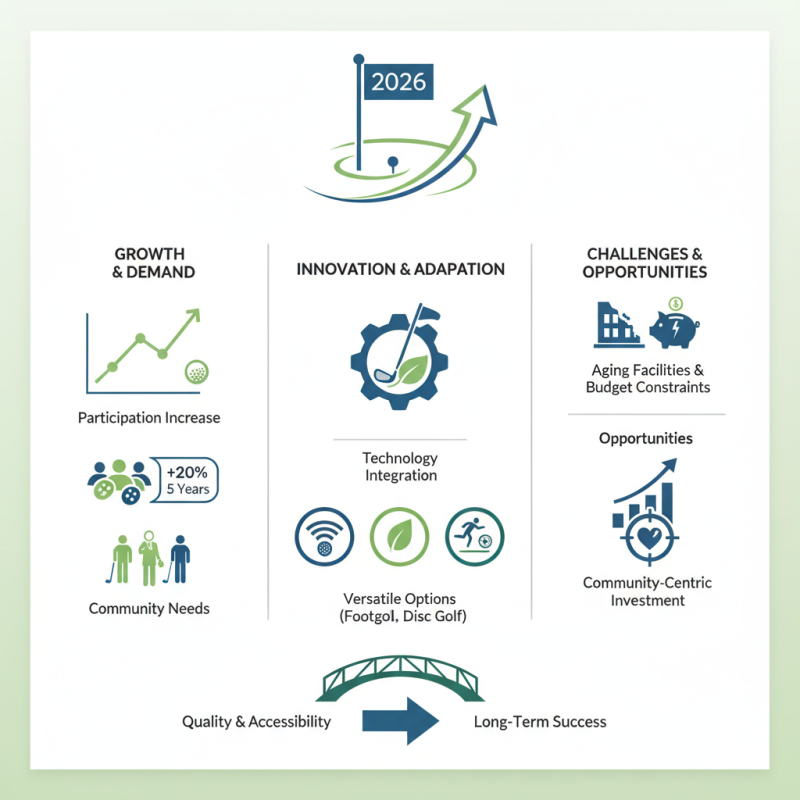
As the demand for recreational spaces grows, municipal golf courses are evolving to meet community needs. According to the National Golf Foundation, participation in golf surged by nearly 20% over the past five years. This trend signifies an opportunity for municipal golf courses to enhance their offerings and accessibility. Industry expert, Dr. Robert Ellis, emphasizes the importance of adapting to these changes: “Municipal golf courses must innovate to remain relevant and financially viable.”
The future of municipal golf courses appears promising, with an increasing interest in incorporating technology and sustainability practices. Communities are looking for more versatile recreational options, such as footgolf and disc golf, which can attract a diverse audience. However, challenges remain. Many municipal golf courses are faced with aging facilities and budget constraints, requiring thoughtful planning and investment.
Addressing these challenges is crucial. As participation continues to rise, municipal golf courses must balance quality and accessibility. Investing in community-centric initiatives will not only improve the player experience but also ensure these courses thrive in the long run. Adapting to trends is not just an opportunity; it’s a necessity for survival in today's competitive landscape.
Emerging Design Trends in Municipal Golf Courses for 2026
As municipalities seek to revitalize their golf courses, design trends for 2026 are emerging with focus. Compact layouts are gaining traction. These offer shorter playing times and lower upkeep costs, appealing to new and casual golfers. Incorporating diverse landscapes creates a visually stunning experience. Natural features can enhance play while supporting local ecosystems.
Sustainability remains at the forefront. Eco-friendly practices are being integrated into course management. It’s crucial for courses to reduce water usage and chemical inputs. Native grasses can thrive with minimal maintenance. Creating habitats for wildlife not only beautifies the area but also promotes biodiversity.
Community involvement in design is also important. Engaging local golfers in decision-making can yield fresh insights. Feedback on course features helps tailor designs to local needs. This collaborative approach fosters a sense of ownership. Yet, there are challenges in balancing diverse opinions while maintaining course integrity. Golf courses must also adapt to shifting demographics and emerging trends in recreational activities.
Integration of Technology and Smart Solutions in Golf Course Management
The landscape of municipal golf courses is evolving. The integration of technology is a key trend. Smart solutions help enhance efficiency and improve the overall experience for golfers. Think about GPS-driven golf carts that track shots and provide instant feedback. These innovations make the game more enjoyable and accessible.
Tips: Consider using social media to engage with local golfers. Share updates about course conditions or upcoming events. This builds a community and encourages participation.
Another trend is data analysis. Courses now monitor player traffic patterns to optimize scheduling and maintenance. This proactive approach helps reduce wait times and improve course conditions. However, relying solely on technology might overlook the personal touch that many golfers appreciate.
Tips: Get feedback from players regularly. Understand their preferences and incorporate them into your management strategies. This interaction fosters loyalty and enhances the golfing experience.
Sustainability Practices: Eco-Friendly Approaches in Municipal Golfing
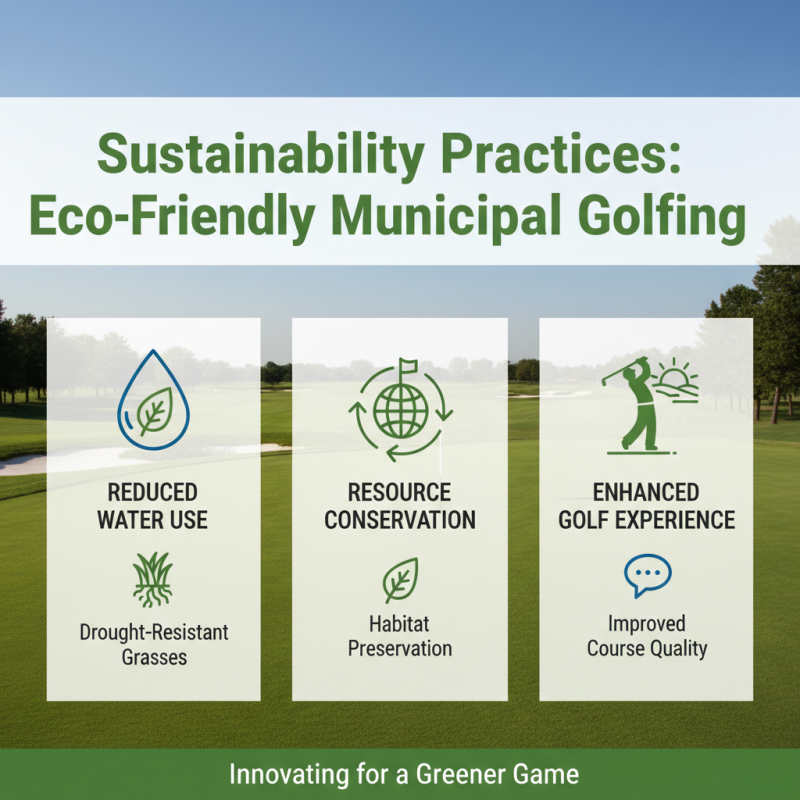
As the demand for eco-friendly practices grows, municipal golf courses are adapting. Sustainable methods can reduce water use significantly. For instance, drought-resistant grasses require less irrigation. Many courses are embracing these innovations. This shift not only conserves resources but enhances the overall golfing experience.
Recycling initiatives are gaining ground on golf courses. Used materials can be repurposed for landscaping or maintenance. Courses can also implement composting systems to manage organic waste. Encouraging golfers to participate fosters a sense of community. These efforts can be challenging, as not all staff may be onboard with changes. Continuous education is essential for successful adoption.
Pesticide reduction is another focus area. Integrated pest management practices help keep chemicals at bay. This can lead to healthier ecosystems and biodiversity on the course. However, transitioning to organic solutions often requires more time and effort. Some courses may struggle initially, but the long-term benefits often outweigh the short-term hurdles. The journey towards sustainability is complex, yet rewarding.
Enhanced Community Engagement through Golf Courses: A 2026 Perspective
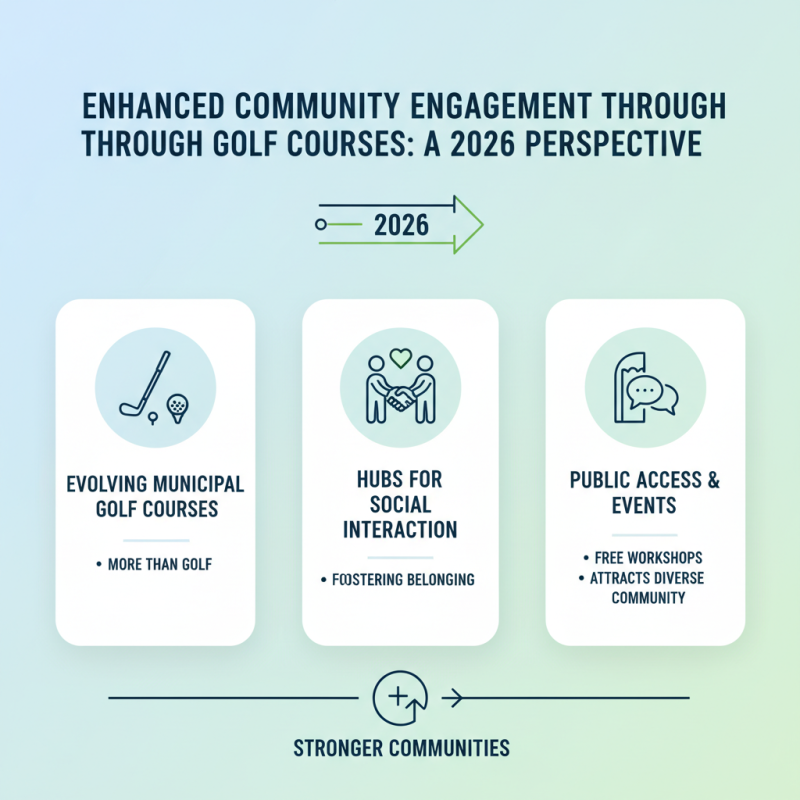
In 2026, municipal golf courses are evolving to enhance community engagement. More than just places to play golf, they are becoming hubs for social interaction. Many golf courses are opening their doors to the public, offering free workshops and events. This not only attracts more players but also fosters a sense of belonging.
Community events at these courses can vary widely. Farmers’ markets, art shows, and family days are gaining popularity. These activities draw in non-golfers, expanding the course's appeal. However, challenges remain. Not all courses are equipped to handle large crowds. Parking and facilities need upgrades. Engaging with the community often exposes gaps in service and resources.
Feedback from the community is crucial for future developments. Understanding local needs can lead to better facilities. Surveys and suggestion boxes inform course management. Involving neighbors in the decision-making process builds trust. Yet, communication may falter if not handled properly. Misunderstandings can lead to frustration. Thus, working hand-in-hand with residents is essential for sustainable growth.
Diversification of Amenities: Beyond Golfing in Municipal Facilities
Municipal golf courses are evolving quickly. The trend toward diversifying amenities is gaining ground in these facilities. It's no longer just about golf; a mix of options is necessary to attract a wider audience. Local communities seek spaces that cater to varied interests. Simple improvements can transform these courses into multi-use recreational hubs.
Adding picnic areas, walking trails, and fitness zones creates more engagement. Families appreciate destinations that offer activities for all ages. Hosting events or classes—like yoga on the green—can draw in new visitors. This approach not only boosts attendance but fosters community connections.
However, the implementation of these changes can face challenges. Budget constraints and local regulations may limit expansion plans. Balancing the traditional golf experience with new amenities requires thoughtful planning. Feedback from the community is crucial for success. Courses must adapt while staying true to their roots. These evolving needs present a unique opportunity for growth and revitalization in the municipal golf sector.
2026 Top Municipal Golf Course Trends: Diversification of Amenities
Related Posts
-
2026 How to Find and Enjoy Municipal Golf Courses Near You?
-
Top Public Golf Courses You Should Play This Year?
-
Top 10 Public Golf Courses in the U.S. for an Unforgettable Experience (2023 Data)
-
2025 How to Experience the Best at Peninsula Golf Club
-

How to Play a Par 3 Golf Course Like a Pro and Improve Your Short Game
-
Top Golf Course Jobs Opportunities in Your Area
Contact Us
Phone: (650) - 522-4653 (GOLF)
Fax: (650) 522-7511
Tee Time Reservations: (650) 522-4653 (GOLF)
Location
1700 Coyote Point Drive
San Mateo, CA 94401