(650) 522-4653

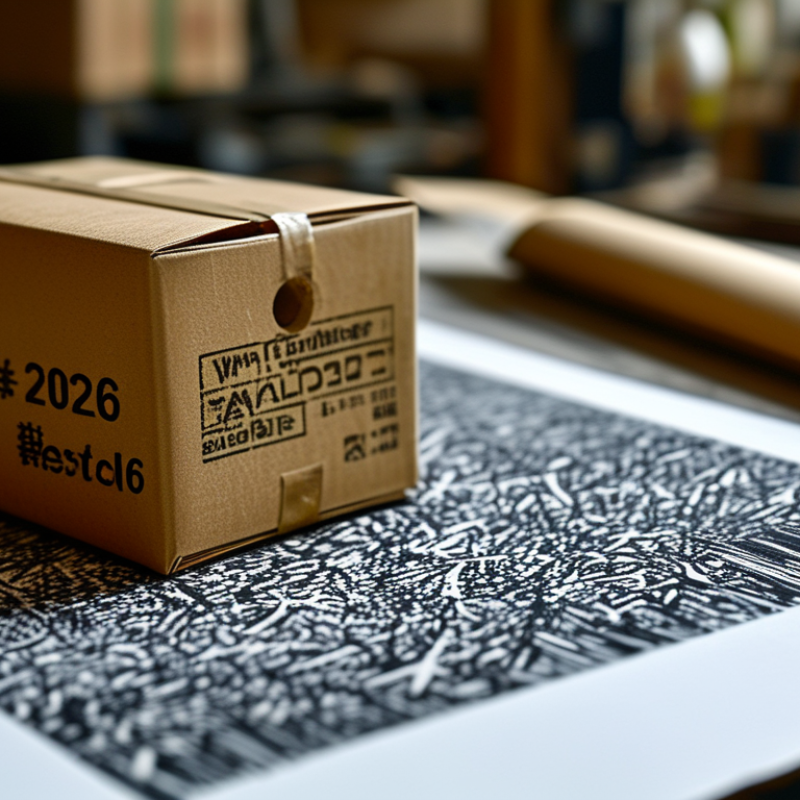
2026 Best Preprinted Barcode Labels for Global Buyers

For global buyers, selecting the right preprinted barcode labels is more than choosing black bars on adhesive stock. It affects scanning speed, inventory accuracy, packing efficiency, and customer confidence. A label placed on a carton in Rotterdam may face rain, cold storage, rough handling, or long-distance transport. Its surface must remain readable.

Norman Joseph Woodland, co-inventor of the barcode, recalled, “I poked four fingers into the sand, and for some reason—I don’t know—I pulled my hand toward me and drew four lines.” His simple gesture helped shape a global identification system. Today, buyers need to apply that original idea with greater discipline. Symbol selection, barcode grade, adhesive performance, print contrast, and material compatibility all deserve careful review.

Small details matter.

This guide examines the 2026 best preprinted barcode labels for international purchasing teams. It considers paper, synthetic film, thermal-transfer durability, moisture resistance, roll formats, core sizes, and verification practices. It also addresses practical supplier questions, including artwork approval, sample testing, batch consistency, and packaging protection.

Yet no label is perfect for every supply chain. A low-cost paper label may perform well inside a dry warehouse but fail on a chilled export carton. A highly durable polyester label may exceed the needs of a short-term application. Buyers sometimes focus too heavily on unit price. That can be an expensive mistake.

The recommendations ahead combine industry standards, real handling conditions, and supplier evaluation experience. They are designed to support reliable decisions, while leaving room for testing. Even experienced teams should verify performance before approving a large production run.
2026 Best Preprinted Barcode Labels for Global Buyers

What Preprinted Barcode Labels Are and How They Work

2026 Best Preprinted Barcode Labels for Global Buyers

What Preprinted Barcode Labels Are and How They Work

Preprinted barcode labels carry fixed information before they reach a warehouse or store. This information may include a product code, carton number, batch reference, or location ID. Unlike blank labels, they need no onsite printing for routine use. That saves handling time.

A printed symbol uses dark bars, spaces, or two-dimensional patterns. A scanner reads the reflected contrast between them. Software then converts the pattern into a digital identifier. The database supplies the full product record. The label usually stores only the key.

GS1 reports that barcodes are scanned more than five billion times daily worldwide. That scale makes print reliability important. ISO/IEC 15416 covers linear barcode quality, while ISO/IEC 15415 covers two-dimensional symbols. Buyers should request verification grades, not accept visual approval alone. A label can look sharp and still fail.

Check the symbol size, quiet zones, contrast, adhesive, and surface material. Humidity, cold storage, abrasion, and curved cartons can change performance. In real receiving areas, workers often scan labels from poor angles. Small errors matter. I still see buyers focus on artwork before testing adhesive strength. That shortcut feels efficient, but it can create relabeling costs. A practical sample test remains necessary before large production.
Key Label Types for Different Products, Industries, and Environments

2026 Best Preprinted Barcode Labels for Global Buyers

Choosing preprinted barcode labels starts with the product, not the printer. Retail cartons often need crisp, high-contrast codes with space for prices, sizes, or batch details. Warehouse items require stronger adhesives and scuff-resistant surfaces. Small products may need compact labels, but shrinking the code too much can reduce scanning reliability. It depends.

Food packaging needs moisture-resistant materials and adhesives that tolerate refrigeration. Healthcare products need clear text, traceable identifiers, and stable printing during storage. Manufacturing labels often face oil, dust, friction, and repeated handling. For these conditions, synthetic face stocks usually outperform ordinary paper. However, material selection should match the actual exposure time.

Cold storage is a common testing gap. A label may stick well at room temperature, then lift inside a freezer. Humid warehouses create similar problems. I recommend testing samples on the real package, at the real temperature, with the intended scanner. Check edge lifting, fading, smearing, and readability after handling. Test before ordering.

Global buyers should also confirm dimensions, core size, roll direction, barcode symbology, and language requirements. Preprinted artwork must remain consistent across batches. Minor changes in contrast or spacing can affect scanning. I have seen attractive labels fail because the quiet zone was too narrow. A reliable supplier should provide material specifications, inspection records, and samples before mass production. Even then, one test is not enough. Conditions change.

2026 Best Preprinted Barcode Labels for Global Buyers - Key Label Types for Different Products, Industries, and Environments

Label Type Typical Barcode Symbology Common Products Main Industries Recommended Face Material Adhesive Choice Suitable Environment Typical Temperature Capability Key Buying Considerations
Retail Product Labels EAN-13, UPC-A, QR Code Packaged food, cosmetics, household goods, consumer products Retail, consumer goods, e-commerce Coated paper for indoor use; polypropylene for moisture exposure Permanent emulsion adhesive for clean, dry surfaces Indoor shelving, cartons, bottles, smooth packaging Approximately -20°C to 70°C, depending on construction Confirm regional numbering requirements, print contrast, label size, and retail scanner compatibility
Logistics and Carton Labels ITF-14, GS1-128, Code 128 Shipping cartons, cases, pallets, distribution containers Freight, warehousing, third-party logistics, manufacturing Heavyweight coated paper or synthetic film High-tack permanent adhesive for corrugated cardboard and plastic wrap Handling, stacking, vibration, dust, and moderate abrasion Approximately -30°C to 80°C, depending on material and adhesive Allow sufficient quiet zones, select a size readable from handling distance, and verify application to dusty surfaces
Warehouse Location Labels Code 128, Code 39, QR Code Rack positions, bins, shelves, loading zones Warehousing, distribution, inventory management Laminated paper for dry areas; polyester for demanding locations Permanent adhesive selected for painted metal, plastic, or concrete Long-distance scanning, forklift traffic, dust, and occasional cleaning Approximately -40°C to 90°C for durable synthetic constructions Use large symbols, strong contrast, protective overlamination, and aggressive adhesive where required
Asset Identification Labels Code 128, Code 39, Data Matrix, QR Code Tools, equipment, computers, furniture, machinery Facilities, education, healthcare, construction, corporate assets Polyester or polypropylene with protective laminate Permanent acrylic adhesive for painted metal, plastic, and coated surfaces Frequent handling, abrasion, sunlight, and routine cleaning Approximately -40°C to 120°C, depending on film, ink, laminate, and adhesive Prioritize abrasion resistance, solvent resistance, outdoor durability, and long-term readability
Healthcare and Laboratory Labels Code 128, Data Matrix, QR Code Specimen tubes, slides, sample containers, medical supplies Hospitals, laboratories, pharmacies, clinical research Chemical-resistant polyester or polypropylene Acrylic adhesive compatible with plastic, glass, and refrigerated surfaces Moisture, condensation, disinfectants, refrigeration, and repeated handling Approximately -80°C to 100°C for specialized constructions; standard versions may be narrower Check chemical resistance, sterilization compatibility, small-format readability, and regulatory requirements
Freezer and Cold-Chain Labels Code 128, Data Matrix, QR Code Frozen food, vials, biological samples, chilled products Food distribution, pharmaceuticals, biotechnology, laboratories Freezer-grade polypropylene or polyester Low-temperature permanent adhesive applied to dry or pre-chilled surfaces Freezing, thawing, condensation, ice, and cold storage Often approximately -80°C to 0°C for specialized products Confirm minimum application temperature, service temperature, moisture resistance, and freezer dwell time
Chemical and Industrial Labels Code 128, Data Matrix, QR Code Chemical containers, drums, industrial parts, maintenance supplies Chemical processing, manufacturing, utilities, maintenance Polyester, polypropylene, or laminated synthetic film High-tack adhesive matched to plastic, metal, curved, or textured containers Solvents, oils, moisture, abrasion, outdoor exposure, and rough handling Approximately -40°C to 120°C, subject to chemical and adhesive testing Request resistance data for the actual chemicals, surfaces, exposure time, and label application method
Outdoor and Utility Labels Code 128, Code 39, Data Matrix Cables, pipes, meters, outdoor equipment, utility components Energy, telecommunications, construction, public infrastructure UV-stabilized polyester or durable polypropylene Outdoor-rated permanent adhesive for metal, plastic, and painted surfaces Sunlight, rain, humidity, temperature cycling, dust, and abrasion Approximately -40°C to 120°C, depending on the complete label system Specify UV resistance, expected service life, surface curvature, and resistance to weathering
Automotive and Metal-Part Labels Data Matrix, Code 128, QR Code Engine parts, components, assemblies, service records Automotive, machinery, metal fabrication, equipment service High-temperature polyester, polyimide, or metal-foil construction High-temperature acrylic or epoxy-based adhesive, selected for the substrate Heat, oils, fuels, vibration, abrasion, and industrial cleaning Approximately -40°C to 200°C for specialized materials; verify the full construction Test on the actual part, consider direct-part marking alternatives, and verify chemical and heat exposure
Garment and Textile Labels Code 128, EAN-13, QR Code Clothing, footwear, fabric rolls, washable textile items Apparel, textile manufacturing, retail, laundry services Coated paper for hangtags; polyester fabric or synthetic film for sewn labels Permanent or removable adhesive according to garment and use cycle Folding, friction, moisture, laundering, and repeated handling Approximately -20°C to 80°C; washable constructions require separate testing Choose flexible materials, low-residue adhesives, suitable attachment methods, and clear barcode quiet zones

Note: Temperature ranges are typical planning values for comparable label constructions. Actual performance depends on the face stock, ink, laminate, adhesive, substrate, application temperature, exposure duration, and surface condition.

How to Evaluate Barcode Quality, Materials, Adhesives, and Durability

For global buyers, barcode quality starts with verification, not appearance. ISO/IEC 15416 grades one-dimensional symbols from A to F. Many supply chains request grade C or better. GS1 guidance also stresses quiet zones, contrast, magnification, and correct data structure. A clean-looking label may still scan poorly under warehouse lighting.

Material choice depends on the journey. Coated paper suits dry cartons and short-term storage. Polypropylene or polyester handles moisture, abrasion, and rough transport better. Adhesive performance matters just as much. Test permanent, removable, freezer-grade, or high-temperature adhesives on the actual carton, tote, or metal surface. The 2024 DC Measures Annual Report reported median order-picking accuracy near 99.5% among surveyed distribution centers. A weak label can undermine that target. I have seen labels survive printing but fail after condensation. That gap deserves attention.

Tips: Request a certified verification report, not only a scanned sample. Test labels after rubbing, freezing, heat exposure, and sunlight. Check the narrowest bar, smallest text, and quiet zones. Ask for samples from every production batch. One test is not enough. Also confirm roll direction, core size, winding, and printer compatibility before ordering. WERC data supports accuracy goals, but real performance still depends on handling, equipment, and operator habits. Perfect results are unlikely without field testing.

Global Compliance, Customization, Packaging, and Shipping Considerations

In 2026, preprinted barcode labels must do more than scan reliably. Global buyers need labels that survive different compliance systems, climates, and handling routines.

A barcode can look sharp yet fail under glare, dust, or curved packaging. I recommend testing the exact label, ink, and scanner combination before production. Small trials reveal problems early.

For international shipments, confirm required identifiers, language fields, lot details, and recycling marks for each destination. Requirements change, so verify current rules with qualified local specialists.

Customization should support operations, not decoration.

Place human-readable text beside the code. Keep quiet zones clear. Use high contrast and consistent dimensions across cartons, pallets, and inner packs.

Variable data needs controlled approval, especially for expiry dates and batch numbers. A practical specification records adhesive type, face material, roll direction, core size, and print tolerance.

These details prevent line stoppages. Sometimes, more customization creates more errors. That risk deserves an honest review.

Packaging conditions matter after printing.

Moisture, freezing temperatures, abrasion, and compression can damage labels during ocean, air, or road transport. Test samples in realistic packaging, including condensation and rough handling.

Select adhesives for the actual surface, not a generic material list. Shipping teams also need readable placement instructions. Avoid seams, straps, and folded edges.

Add carton-level verification when traceability is critical. No supplier can promise universal performance without testing.

Retain inspection records, scan results, and approved samples for every shipment.

How to Select the Best Preprinted Barcode Label Supplier in 2026

Selecting the best preprinted barcode label supplier in 2026 requires more than comparing prices. GS1 reports that barcodes are scanned over 10 billion times daily worldwide. Small printing defects can therefore create repeated delays. Ask suppliers for verified samples, scan-rate results, and ANSI or ISO/IEC grading reports. A label should remain readable after moisture, abrasion, sunlight, and long-distance transport.

Material choice must match the real shipping environment. Thermal-transfer labels often suit long-term identification, while direct-thermal labels may fade under heat or light. Adhesive testing matters too. Request trials on cardboard, plastic totes, cold surfaces, and dusty cartons. Zebra’s 2023 Global Warehousing Study reported that 58% of warehouse decision-makers planned RFID deployment by 2028. Suppliers should therefore understand mixed barcode and RFID workflows, even when your current project uses printed labels only.

Check production controls before signing. Reliable suppliers should provide batch traceability, artwork approval, color references, barcode verification, and clear replacement procedures. Confirm roll direction, core size, label spacing, carton protection, and export documentation. Fast samples help.

Cheap labels can become expensive.

Supplier audits are useful, but they are not perfect. Ask how often equipment is calibrated and whether failed batches are retained for investigation. A practical supplier earns trust through measurable records, not confident promises. Industry requirements also change, so review specifications annually instead of treating the first approved sample as permanent.

Contact Us

Phone: (650) - 522-4653 (GOLF)

Fax: (650) 522-7511

Tee Time Reservations: (650) 522-4653 (GOLF)

Location

1700 Coyote Point Drive

San Mateo, CA 94401